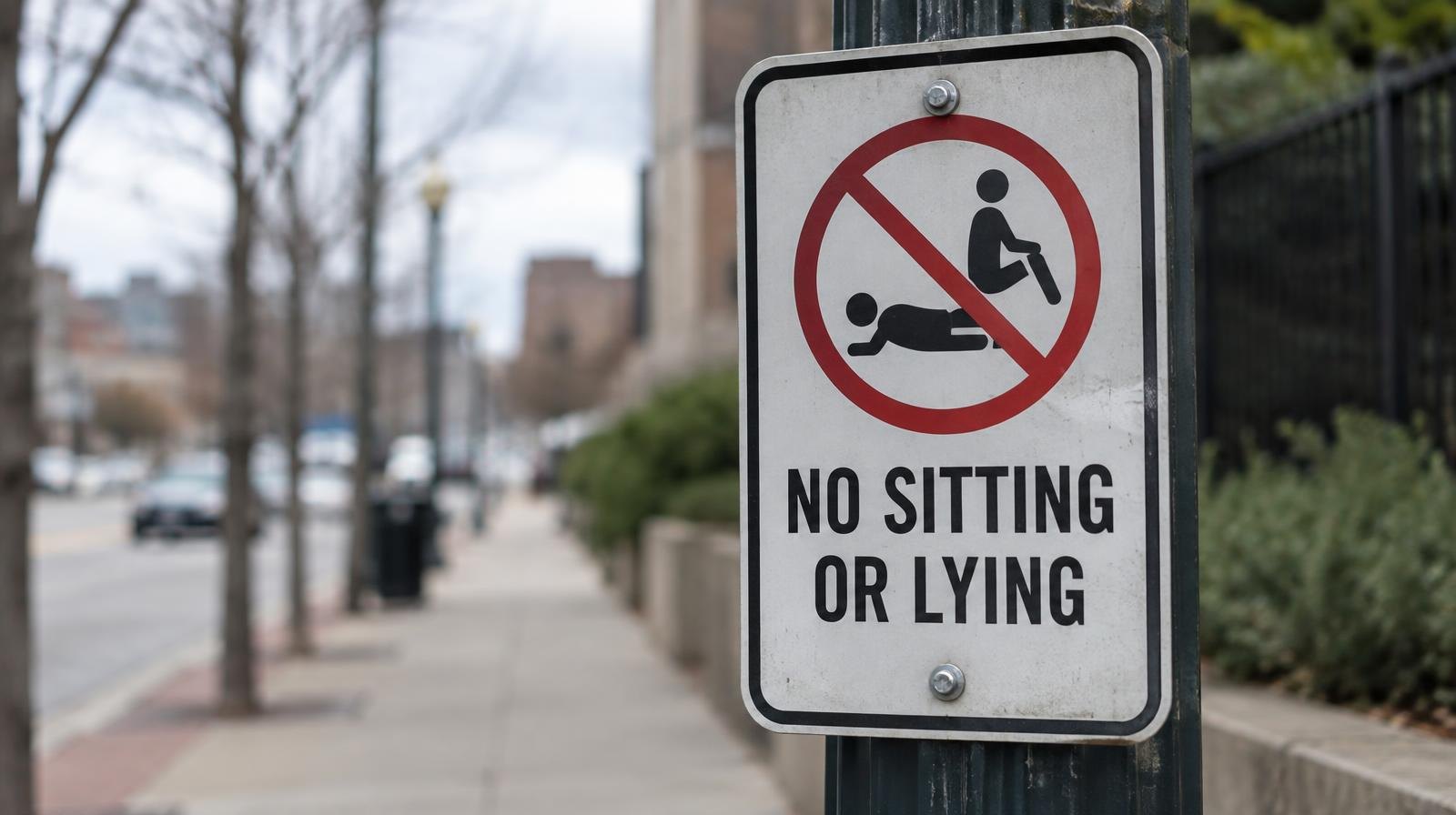
Everett activated two new "no sit, no lie" buffer zones last week, including one surrounding Everett High School and the main public library branch.
The zones, first reported by The Herald, make it a misdemeanor to sit or lie on public property within their boundaries.
Violations carry up to 90 days in jail and fines up to $500. The city also removed a third zone tied to a now-closed shelter on Rockefeller Avenue.
Everett now has six active buffer zones. City spokesperson Simone Tarver told The Herald the city plans to install signage for the two new areas by the end of October.
Where the new zones are
One zone is centered at 1715 Broadway, stretching from 15th Street to 20th Street and from Oakes Avenue to Virginia Avenue. Tarver cited approximately 159 calls for service at that location over the past six months. The most common reports were suspicious activity, nuisance complaints and trespassing.
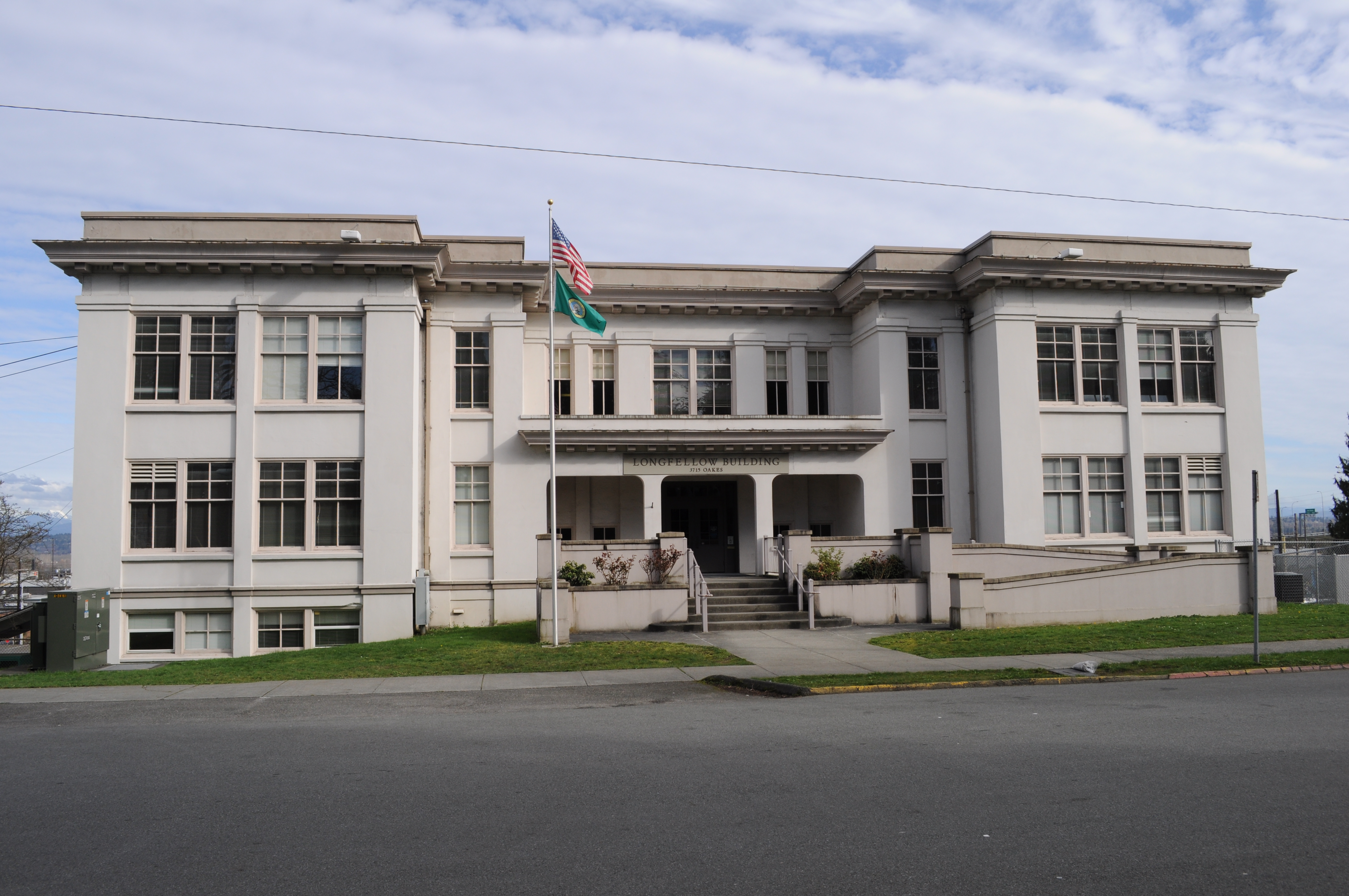
The second zone is centered at 2625 Colby Ave., running from 24th Street to Hewitt Avenue and from Rucker Avenue to Oakes Avenue. Its boundaries encompass the Everett High School campus and the Everett Public Library's main branch. Tarver said the city received reports of encampments, garbage and drug use at that location.
One zone dropped
The city removed the buffer zone at 2624 Rockefeller Ave., which was centered around a shelter that has since closed. Tarver said the Rockefeller zone and the new Colby Avenue zone are distinct designations under the ordinance, not a relocation.
The new Colby Avenue zone sits just a couple of blocks west of the old Rockefeller zone.
How the ordinance works
The Everett City Council first approved a no-sit, no-lie zone in 2021, covering a 10-block area east of Broadway near Everett Station. In 2023, the council voted to let the mayor create buffer zones administratively when an area logs at least six "qualifying events" in six months. Qualifying events include trespassing, theft, harassment, assault, drug offenses, encampments and public disturbances.
The 2023 expansion also banned distributing food, water or supplies to people violating the ordinance inside a zone without a permit.
The City Council extended the law in November 2025. It remains in effect through the end of 2027.
Enforcement so far
In the first two years the ordinance was in effect, police issued 156 warnings and filed 15 criminal charges against 11 people for buffer zone violations, city staff told The Herald. One person was convicted after pleading guilty to that and other charges, according to Jennifer Gregerson, a city administrative official.
The buffer zone policy has drawn criticism from some community members who say it unfairly targets homeless people, The Herald reported. Supporters argue the zones help prevent nuisance crimes.
What the city says
Tarver said the city established the zones because of "documented public health and safety concerns at each location." She wrote that buffer zones are not intended to solve homelessness but are "one tool the City can use to address specific, documented public health and safety concerns while continuing to support people in need."
The city's buffer zone page says the strategy includes deploying social workers to offer resources alongside focused enforcement.
Maps of all six zones are available on the city's website. The city last added a buffer zone in December 2025, near 41st Street.