Snohomish County businesses face mounting uncertainty after the U.S.-Canada trade deal fell apart on Aug. 22, triggering 50% tariffs on $20 billion worth of Canadian imports and prompting Economic Alliance Snohomish County to begin collecting impact reports from local employers.
Daniel Tappana, director of economic development at Economic Alliance Snohomish County, said the 18 months of tariff volatility have made it nearly impossible for businesses to plan.
"Tariffs can be taken away at the posting of a tweet but trust takes years to build," Tappana told the Everett Post on Monday, Aug. 24. "And when we're kind of attacking our neighbors, it's been pretty tough to maintain that trust."
The deal had appeared close to completion. President Trump paused the 50% tariffs for three days the week prior, posting on social media that the two countries had reached an agreement "subject to the finalization of documents."
But negotiations collapsed late Saturday over disputes on Canadian auto, steel and aluminum exports. Canadian Prime Minister Mark Carney said Washington demanded terms that would "destroy" Canada's largest industries, according to CBC.
The fallout escalated quickly.
On Monday, Aug. 24, Trump announced tariffs on all Canadian cars, trucks, auto parts and steel would rise to 50% on Jan. 1, 2027, CNBC reported. Canada responded Tuesday, Aug. 25, with retaliatory duties on nearly $20 billion in U.S. goods effective Sept. 8, targeting steel, aluminum, furniture and clothing, according to Insurance Journal.
Why it hits Everett hard
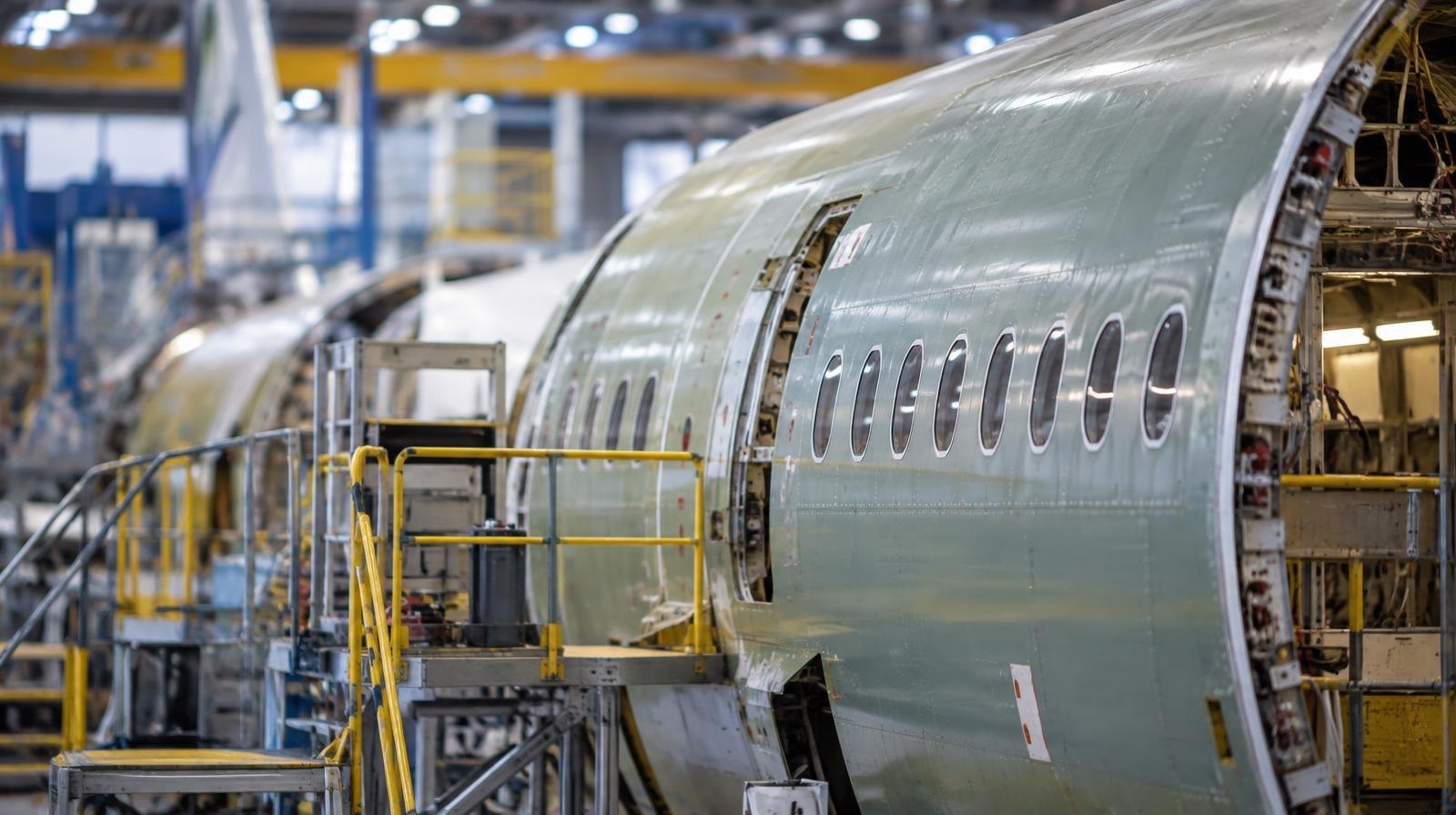
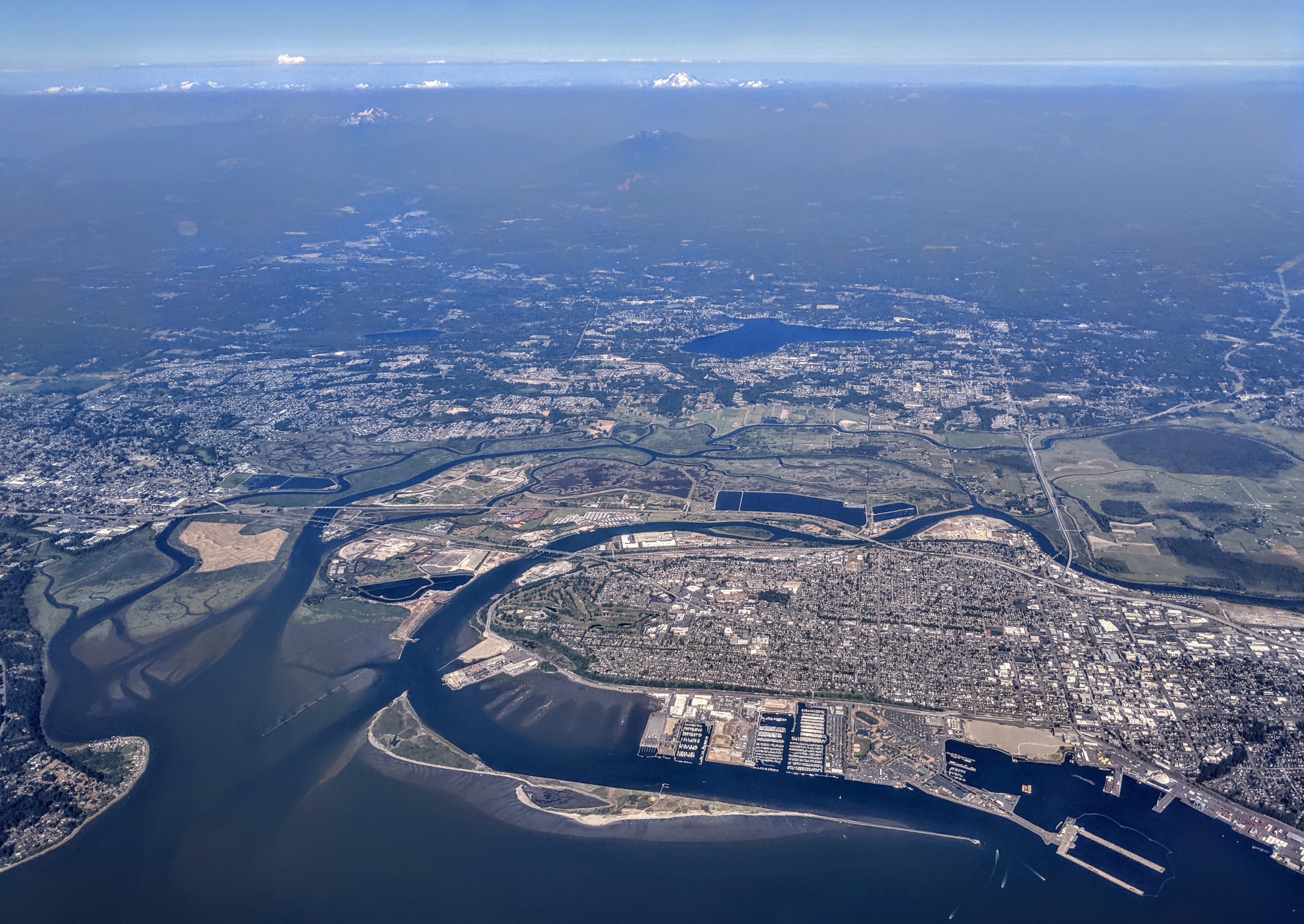
More than 60% of jobs in Snohomish County are tied to international trade, and the Port of Everett supports more than 40,000 regional jobs, according to 2025 port data. The county is home to roughly 350 aerospace-related companies, including Boeing's widebody plant.
Tappana said the prolonged uncertainty has left businesses reluctant to invest. Without a new deal, the U.S. will "remain in a holding pattern," he said, with companies unable to set costs or commit capital when tariffs can shift overnight.
The trade war has already touched the county's workforce. No Meat Factory, a Canadian plant-based food manufacturer, closed its Stanwood plant July 27, laying off more than 110 workers. The closure occurred during the trade war, though the company has not publicly attributed it to tariffs.
Reporting impacts
Economic Alliance is now asking business owners experiencing workforce cuts or revenue losses tied to the tariffs to call 425-743-4567. Tappana said the organization plans to share those accounts with federal officials to advocate for the local economy.
No businesses have publicly reported impacts through the initiative yet. The phone line opened Monday, Aug. 24.