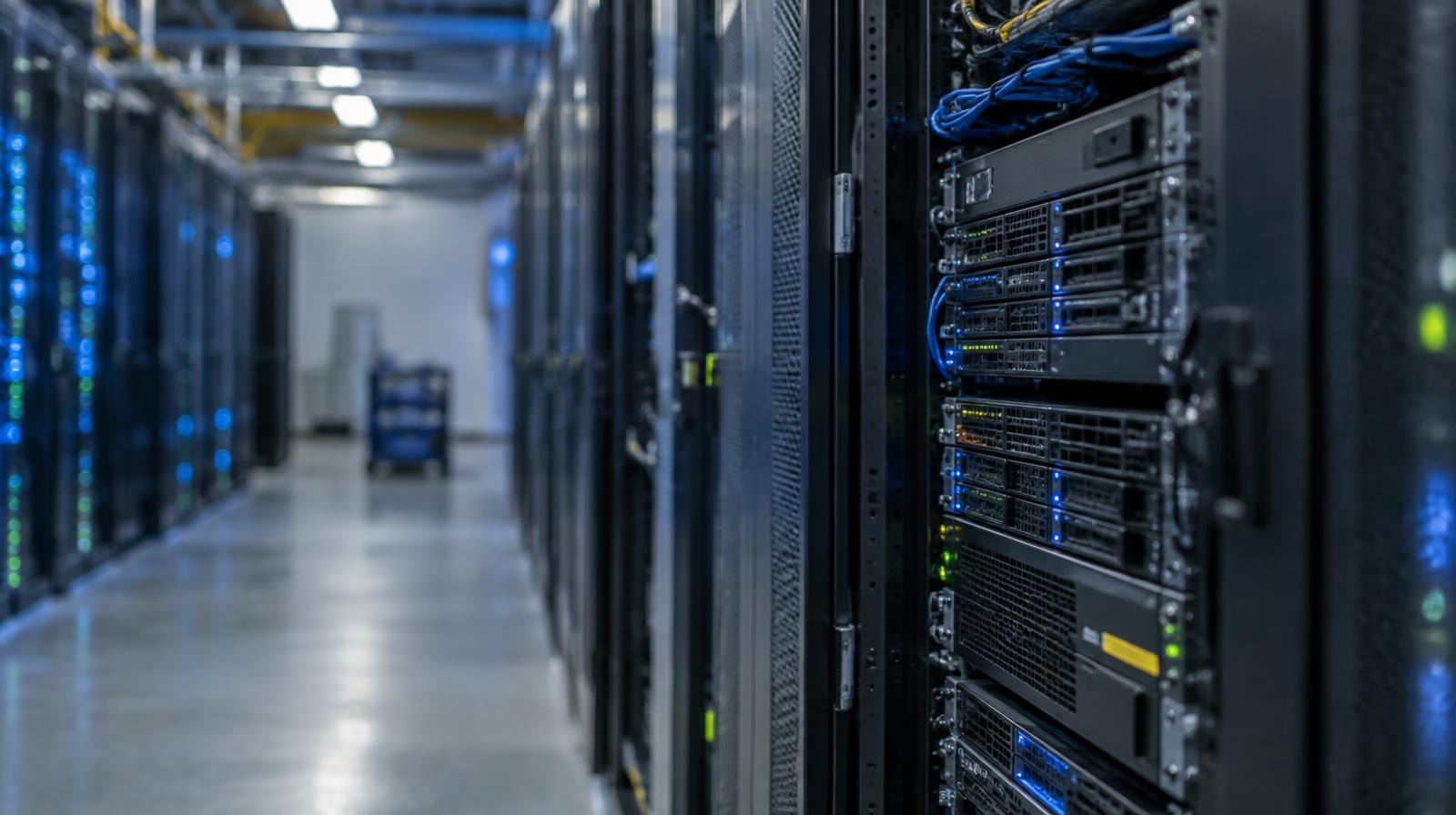
Everett-area residents served by Snohomish County PUD face new questions about energy costs as a statewide fight over AI data centers intensifies.
At least 19 protests across Washington on Sunday, Oct. 4, demanded that state lawmakers impose a moratorium on large data centers before the January legislative session.
The demonstrations, organized by Washington AI Resistance, came after House Bill 2515, which would have regulated AI data centers, stalled in the state Senate this spring despite passing the House, the Seattle Times reported.
Snohomish County is one of at least eight Washington jurisdictions that have already passed temporary bans. The county council voted unanimously on June 24 to approve Emergency Ordinance 26-026, freezing all data center applications on unincorporated land for six months. The moratorium covers any computing facility with a planned electrical load of 2 megawatts or greater.
The ban does not apply to Everett or other incorporated cities. Marysville passed its own separate moratorium.
What prompted the county ban
Council member Nate Nehring, who sponsored the emergency ordinance, pointed to concerns about energy demand, water use and land-use impacts. A large data center can consume up to 5 million gallons of water per day, according to the Everett Herald's reporting on the June 24 vote.
No data centers were planned in unincorporated Snohomish County at the time of the vote, according to Council member Strom Peterson. But concerns had been building after rumors that a 1.2-million-square-foot building near Arlington Airport would become a data center. That project, dubbed "Project Cascade," turned out to be a proposed Amazon distribution hub, Snoho.com reported.
Energy stakes for PUD customers
Snohomish County PUD generates only about 6% of the power its customers use, purchasing the rest from the Bonneville Power Administration. Large "hyperscale" data centers often need hundreds of megawatts. The PUD classifies anything over 2.5 megawatts as a large load.
In 2025, the PUD received eight large-load customer inquiries, double the average of four per year over the prior five years. None of the nine customers then receiving or awaiting energy were data centers, the Herald reported.
The PUD requires developers to pay upfront for all infrastructure needed to serve a large-load customer. PUD Chief Customer Officer John Hoffman told the Herald in May: "We're going to identify down to the wire, the substation, the transformer, the transmission line, how much it's going to cost … and then we require them to pay it up front."
Washington's Utilities and Transportation Commission (UTC) is also writing guidelines to prevent large power users from shifting costs onto residential customers. The Seattle Times reported in August that a draft policy statement was expected this fall, with a final version planned by year's end.
What happens next
The county moratorium expires Dec. 25 unless the council votes to renew it. At an Aug. 19 public hearing where about 13 people testified, most in support, Nehring said he anticipated the county would need to extend the moratorium to a full year to allow time for a permanent policy.
At the state level, Senate Majority Leader Jamie Pedersen told the Seattle Times on Oct. 4 that he has not committed to a statewide moratorium but expects lawmakers to pass a bill imposing significant regulatory requirements on new AI data centers.
Washington's legislative session begins in January 2027.