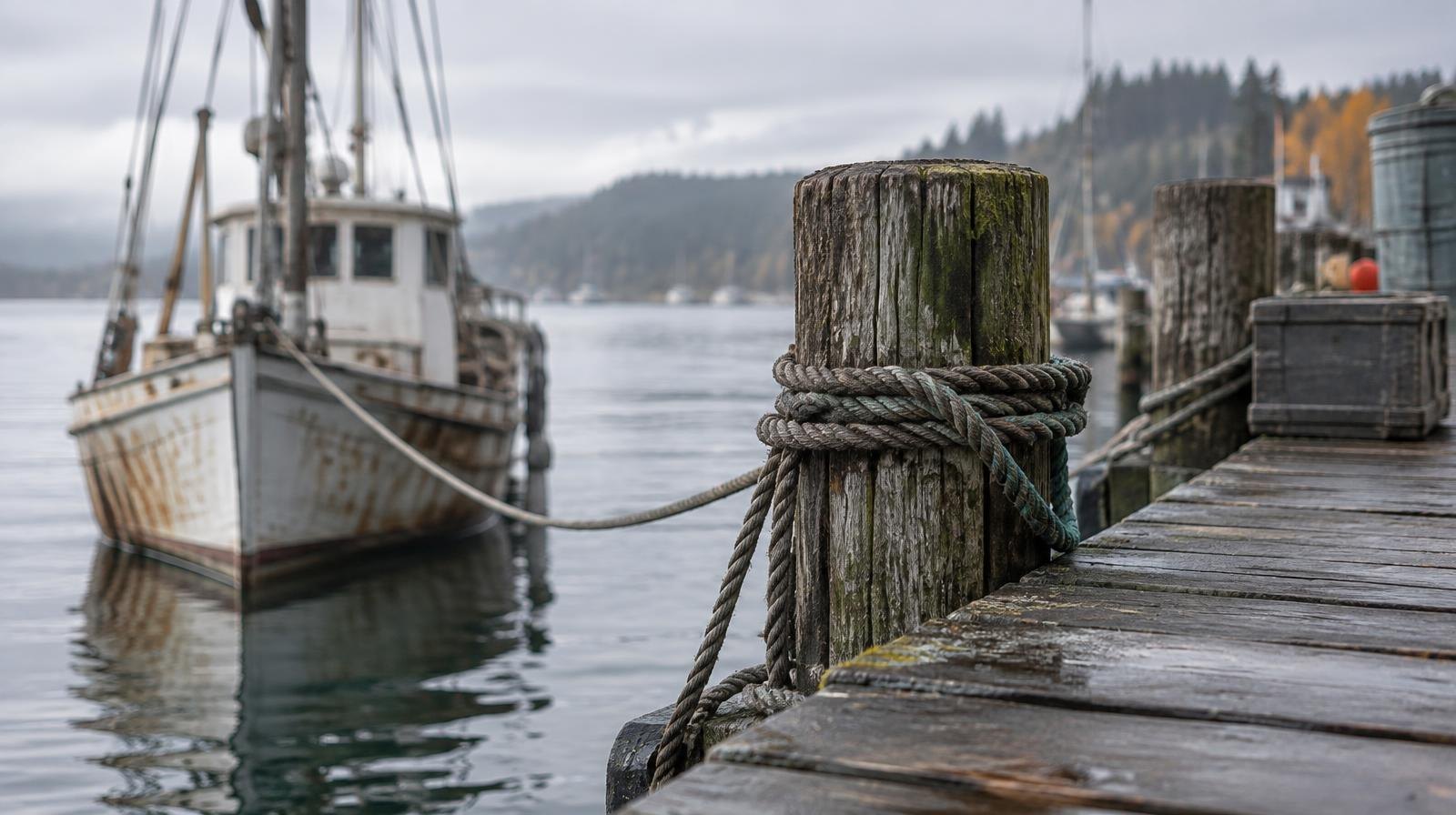
The Everett Massacre unfolded 110 years ago on Nov. 5, 1916, on the city's waterfront. A gun battle between labor activists and deputized citizens killed at least seven people and wounded more than 50.
The day became known as "Bloody Sunday." It remains the deadliest labor confrontation in Pacific Northwest history, according to The Daily Herald. Everett residents can explore that history at the Everett Museum of History, where an exhibit called "Remembering the 1916 Everett Massacre" runs through Nov. 21.
What happened that day
The trouble started months earlier. In May 1916, shingle weavers in Everett went on strike, demanding eight-hour workdays, higher pay and better working conditions, the Herald reported. Members of the Industrial Workers of the World (IWW), known as "Wobblies," came to Everett to support the strikers. They began speaking on city streets but met resistance from local business leaders and law enforcement.
On Nov. 5, 1916, about 300 Wobblies boarded two steamers, the Verona and the Calista, from Seattle and headed for Port Gardner Bay, according to the Everett Public Library. They planned to demonstrate at the corner of Hewitt and Wetmore avenues.
About 200 citizen deputies, armed with guns and rifles under the authority of Snohomish County Sheriff Donald McRae, were waiting at the dock. They had heard a group of armed anarchists was coming to burn the city, according to the library's account. The Verona pulled in first. McRae asked who was in charge. He was told, "We are all leaders!" He informed the passengers they could not land.
Somebody fired a shot. Minutes of chaotic shooting followed.
Who fired first has never been determined.
The dead
Five Wobblies are confirmed to have died: Felix Baran, Hugo Gerlot, Gustav Johnson, John Looney and Abraham Rabinowitz. The library's account states that as many as 12 Wobblies may have lost their lives, with bodies "surreptitiously recovered from the bay at a later date." The Herald's account differs, reporting that the missing Wobblies' bodies were never recovered, though some suspect they were secretly removed from the water. Two deputies, Jefferson Beard and Charles Curtiss, were also killed. Twenty deputies were wounded, including the sheriff, according to the library.
The aftermath
The accounts of what followed also differ. The Herald reported that 74 Wobblies were charged in Beard's death, with only one case going to trial. The library's account states that 74 Wobblies were arrested, but all were released except teamster Thomas Tracy, who was charged with murdering both Beard and Curtiss. Tracy was acquitted. The Herald reported that defense attorneys argued the Wobblies acted in self-defense and that Beard may have died from friendly fire.
See the exhibit
The Everett Museum of History's exhibit on the massacre features curator Rebecca Monaghan, according to a Herald calendar listing. The museum is in the Van Valey House at 2130 Colby Ave.
The exhibit, which opened Oct. 22, runs through Nov. 21. The museum is open Thursdays, Fridays and Saturdays, 1 to 4 p.m., according to the museum's website. Suggested donation is $5 for adults and $2 for students. Call 425-256-2520 or visit everettmuseum.org for details.