Everett's proposed $120 million Outdoor Event Center would create 660 jobs and draw 400,000 visitors a year, according to a city economic analysis published Monday, Oct. 5.
The city's official project page estimates the 5,000-seat downtown stadium would produce $84.9 million in annual business revenue, $32.9 million in labor income and $615,000 in city tax revenue once open. Snohomish County would collect an estimated $285,000 in annual tax revenue.
The projections arrive as the Everett City Council prepares to receive a final funding package for the project. The city's project page states the package will go before the council before construction can begin, but no vote date has been set.
Where the money stands
The city's August planning document breaks the $120 million budget into four pieces: Everett would cover 45%, the Everett AquaSox and United Soccer League (USL) would contribute 18%, regional and state sources would provide 11%, and the remaining 26% comes from public-private funding the city has not yet identified.
As of Sept. 3, Everett had spent about $18.1 million buying six parcels for the site near Pacific Avenue and Broadway, east of the Angel of the Winds Arena, The Herald reported. Total city spending on the project had reached roughly $23.2 million, including $16 million in general fund loans.
The AquaSox and USL have committed to about $17 million in upfront capital and approximately $100 million in lease payments over 30 years, according to The Herald.
Snohomish County planned to double its commitment to $10 million, using hotel and lodging tax funds, The Herald reported Sept. 9. That commitment still required approval from the county's Lodging Tax Advisory Committee and the Snohomish County Council.
A tax increase and a dissenting vote
The city proposed changes to its business and occupation (B&O) tax on Sept. 30 that would generate about $3.5 million in new annual revenue. Up to $2.9 million per year would go toward the stadium, according to The Herald's reporting. The council is scheduled to vote on the B&O changes Wednesday, Oct. 14.
The tax increase would be the first time the city has raised taxes to help pay for the stadium. A fiscal advisory committee recommended against tax increases in 2024, though it noted they could be considered "if all other avenues are fully exhausted," The Herald reported.
Not every council member has been comfortable with the pace of spending. Council member Judy Tuohy cast the lone vote against a $3.5 million property purchase on Sept. 3, saying she wanted a complete financial plan first.
"It's my understanding that we are expecting a full financial report of the project hopefully by the end of the month, and I know staff is working hard on it, but they still have a lot of things that need to fall into place," Tuohy said at the Sept. 3 council meeting, as reported by The Herald.
What the facility would include
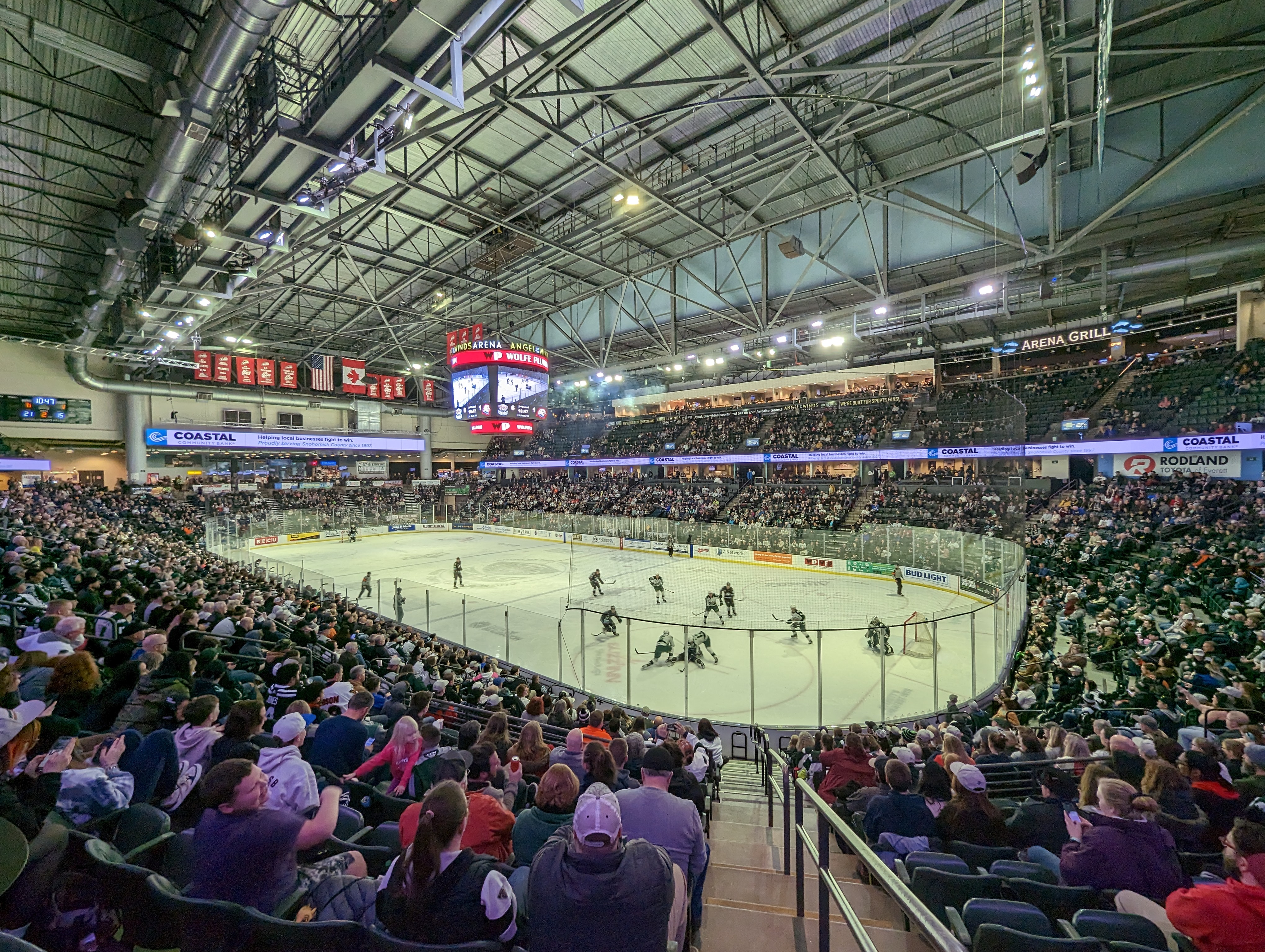
The city's planning documents describe a 5,000-seat venue with ADA-accessible seating, an urban park with a half-mile walking loop, a festival fan zone street and more than 2,600 parking spaces within 10 minutes. The site sits steps from Everett Station and a future Sound Transit light rail stop.
The facility would host 100 or more event days per year, including AquaSox baseball, men's and women's soccer, concerts and other events, according to the city's project page. The city has secured terms for a proposed 30-year operations agreement covering day-to-day maintenance, revenue sharing and opportunities for city-hosted events, according to the project page.
What's next
The city lists the project in its "final design and funding phase," with property relocations underway. An August planning document targeted a fall 2026 construction start and winter 2027 completion, but the funding package has not yet gone to the council. The gap between that timeline and the current status is unresolved.
The B&O tax vote on Wednesday, Oct. 14 is the next scheduled council action tied to the project. Residents can track the project and contact project director Dan Eernisse or project manager Scott Pattison through the city's project page.