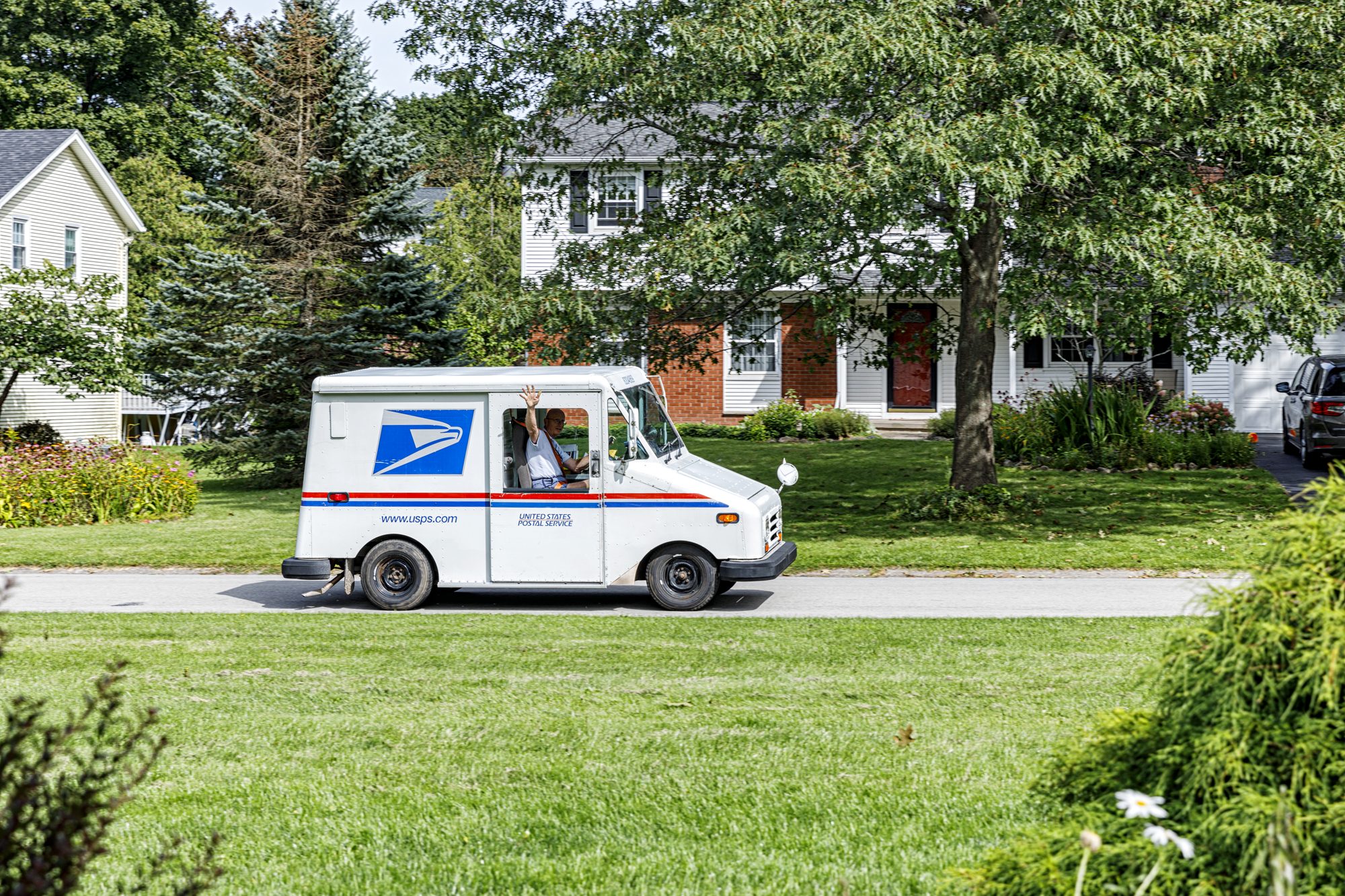
A federal judge halted the U.S. Postal Service from enforcing new mail-ballot rules that threatened to disrupt how Everett residents vote in the Tuesday, Nov. 3 midterm elections.
U.S. District Judge Indira Talwani granted a 14-day temporary restraining order (TRO) on Thursday, Aug. 27, blocking four provisions of the USPS "Ballot Mail for Federal Elections" rule.
The blocked provisions include mandatory envelope-design standards, required registration in a USPS electronic portal, mandatory voter-data uploads and provisions allowing USPS to refuse to mail noncompliant ballots.
Washington is an all-mail-voting state. Roughly a third of returned ballots statewide go through USPS, according to the Secretary of State's Ballot Drop Box Usage reports. The rest go to drop boxes. The ruling means Snohomish County election officials can continue preparing for Nov. 3 without scrambling to meet new federal requirements.
The order, reported by the Lynnwood Times, came from the U.S. District Court for the District of Massachusetts in two related cases. One was filed by the League of Women Voters of Massachusetts. The other was filed Wednesday, Aug. 26, by a coalition of more than two dozen states and jurisdictions co-led by Washington Attorney General Nick Brown alongside attorneys general from California, Massachusetts and Nevada.
Brown called the USPS rule "illegal, it is costly and it is frankly impossible to implement" at a Seattle news conference on Aug. 26, the day the rule was published in the Federal Register.
Judge Talwani found the states were likely to succeed on claims that USPS lacked the authority to issue the rule and that it unconstitutionally imposed requirements on states.
She wrote that the rule contained no deadline for USPS approval of envelope designs and noted that most states had already ordered their ballots. Some states are required by law to begin mailing ballots as early as the week of Aug. 31.
In her order, Talwani wrote that states faced being "required to comply with a likely unconstitutional regulation for which compliance is practically impossible as to the 2026 midterm elections, now little more than two months away." She also noted "the record continues to lack any evidence regarding fraudulent absentee or mail-in voting."
The TRO is the latest turn in litigation over President Donald Trump's Executive Order 14399, signed in March 2026.
The U.S. Supreme Court on Monday, Aug. 24, lifted an earlier injunction in a related case, ruling the challenge was premature because the final USPS rule had not yet been published.
That decision prompted Washington and other states to file the new lawsuit the same day the rule appeared.
Washington Secretary of State Steve Hobbs said in an Aug. 24 statement that the rule would place significant burdens on county election offices and his office ahead of the midterm elections. He said his office had contingency plans but expressed confidence the new lawsuit would succeed.
"Don't freak out, because there will be an injunction that'll be filed really soon, and I believe that this November election will not be affected," Hobbs told KIRO Newsradio on Aug. 25, two days before the TRO was granted.
Hobbs also told KIRO Newsradio on Aug. 25 that the USPS rule's voter-list requirement could expose participants in Washington's address confidentiality program, which shields domestic violence victims' addresses from public records.
The TRO expires in 14 days. A hearing on whether to extend the block through the Nov. 3 election is scheduled for Thursday, Sept. 3.