A personalized mRNA vaccine that prevented melanoma from returning in a major clinical trial could be administered at Providence Regional Medical Center in Everett once the FDA approves it, which could spare north Snohomish County cancer patients a trip to Seattle for cutting-edge treatment.
The vaccine, called intismeran autogene, is made by Merck and Moderna. On Wednesday, Aug. 19, the companies announced their Phase 3 trial of 1,137 patients with high-risk melanoma hit both its primary and key secondary endpoints, reducing recurrence and the spread of cancer compared with Merck's immunotherapy drug Keytruda alone.
It marks the first successful late-stage trial for any individualized mRNA cancer treatment, according to the American Journal of Managed Care.
How it works
Each vaccine is manufactured for a single patient. A tumor sample is sequenced to identify up to 34 unique mutations, which are encoded in synthetic mRNA and injected to train the patient's immune system to hunt remaining cancer cells carrying those mutations. Patients in the trial received up to nine doses over about a year alongside Keytruda.
Five-year follow-up data from an earlier Phase 2b trial, presented at the 2026 ASCO Annual Meeting, showed the combination cut the risk of recurrence or death by 49% and the risk of distant spread or death by 59% versus Keytruda alone.
What it means for Everett patients
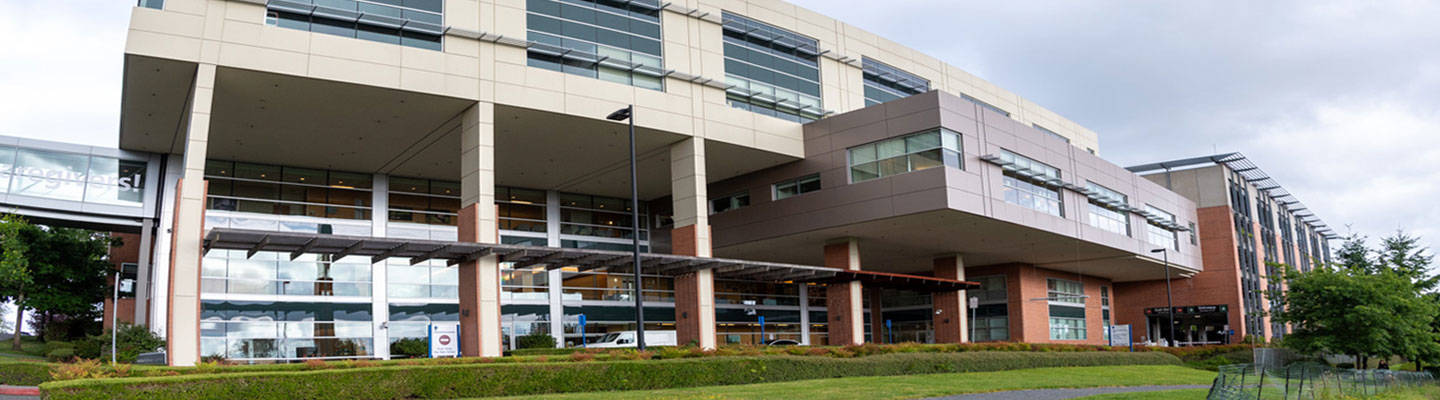
Providence Everett's Medical Oncology Clinic and Infusion Center, on the eighth floor of the Colby Campus A-Wing, already provides chemotherapy and immunotherapy infusions. But when a specialized cancer treatment isn't available locally, patients are referred to Providence Swedish Cancer Institute in Seattle.
What's next
The companies plan to present full trial data at an upcoming international medical meeting before filing. The INTerpath program now spans nine trials across melanoma, lung, bladder and kidney cancers.