Everett commuters on I-5 could face far worse congestion within two decades unless the city builds denser housing near future light rail stations, local and county leaders warned on July 28.
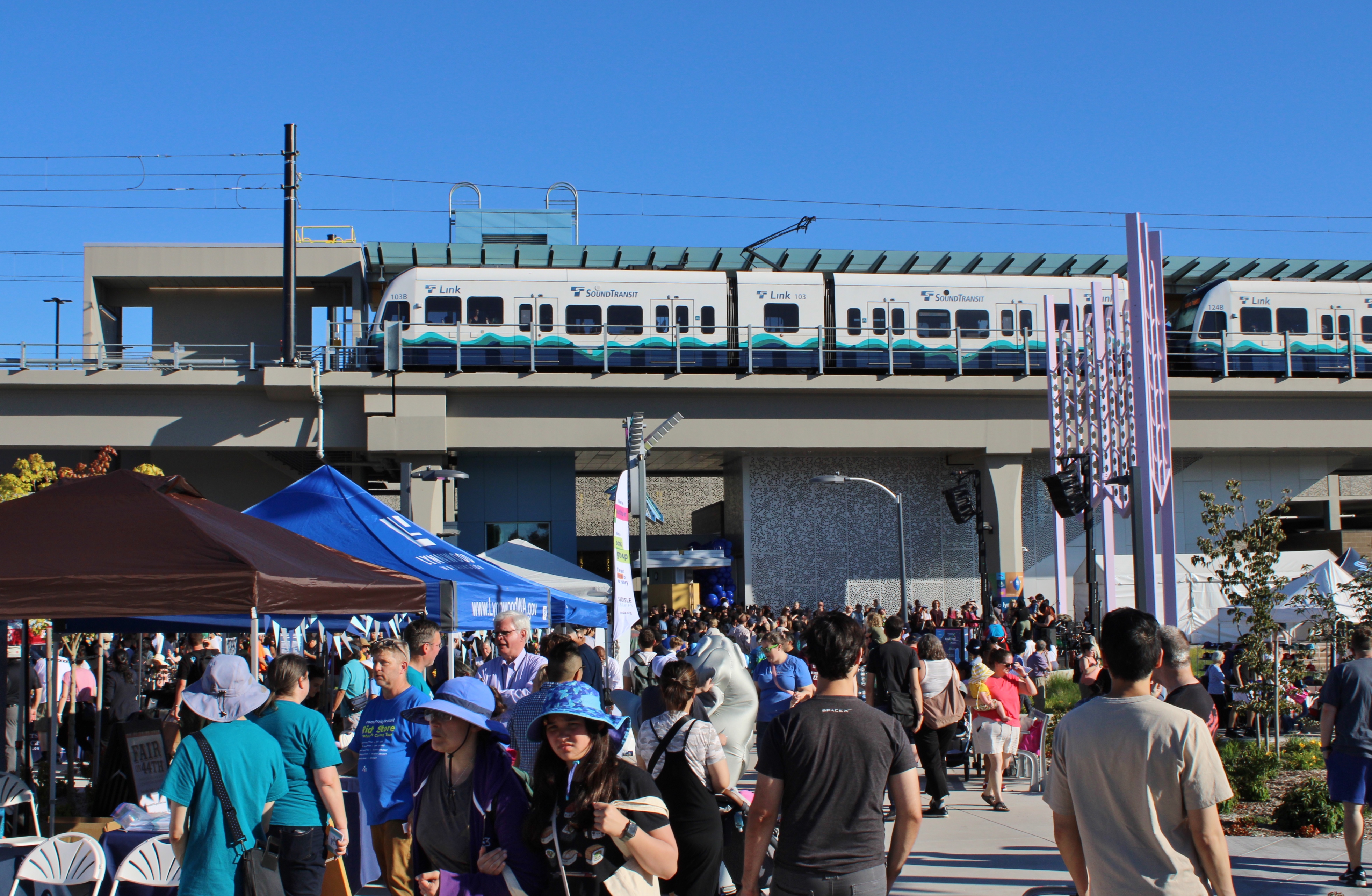
The city is projected to add 65,000 residents by 2044, according to Brock Howell, executive director of the Snohomish County Transportation Coalition (SNO-TRAC). Sound Transit's Everett Link extension isn't expected to arrive until 2041.
That leaves a 15-year gap during which the city must reshape its land use and bus service or risk locking those new residents into car dependence.
"If all those new 65,000 people were driving, I-5 would be much worse, and our economy would suffer as a result of it," Howell told EverettPost.com.
"So, it's really key that we make sure that the new folks and the new houses and jobs have access to that transit line."
More than nine out of ten Snohomish County commuters who travel to a workplace drive alone or carpool, according to Snohomish County Councilman Jared Mead, writing in a commentary for the Lynnwood Times on Tuesday, July 21.
The county as a whole expects roughly 300,000 new residents over the next 20 years.
What leaders say must change
Everett City Councilman Ben Zarlingo pointed to what transit planners call the "walk shed," the distance a rider will walk to reach a stop.
E-bikes and scooters could shrink that distance, he said, turning a 15-minute walk into a five-minute ride and making bus stops practical for more people.
But frequency matters more than proximity, Howell said. Everett's biggest challenge is making bus service frequent and direct enough that residents see transit as a reasonable alternative to driving.
Steve Oss, president of Amalgamated Transit Union Local 883 and a former Everett Transit bus driver, said habit is the core barrier. It takes roughly five years to build ridership on a new bus route, he said, and Everett Transit does little to advertise its service compared to Community Transit.
"If you're gonna do it, you gotta do it, and you have to advertise it sometimes," Oss said. "Everett Transit, you don't see Everett Transit advertised all over the place. You do see it with CT."
Snohomish County Councilmember Megan Dunn, who also sits on the Community Transit board, said removing barriers means more stops, more connections, and longer service hours.
Upzoning and the comprehensive plan
Howell said Everett and other Snohomish County cities, including Marysville and Arlington, have begun upzoning areas around future high-capacity transit corridors in anticipation of the 2041 arrival.
The Everett City Council is expected to vote on the Everett 2044 Comprehensive Plan on August 12, according to the city's planning department. That plan will guide zoning decisions around future transit stations through 2044.
As we reported Tuesday, the council's Thursday, July 30 agenda already includes a vote on expanding that housing tax program.
Residents who want to weigh in on the comprehensive plan can attend the August 12 council meeting or submit comments through the city's planning department at everettwa.gov.