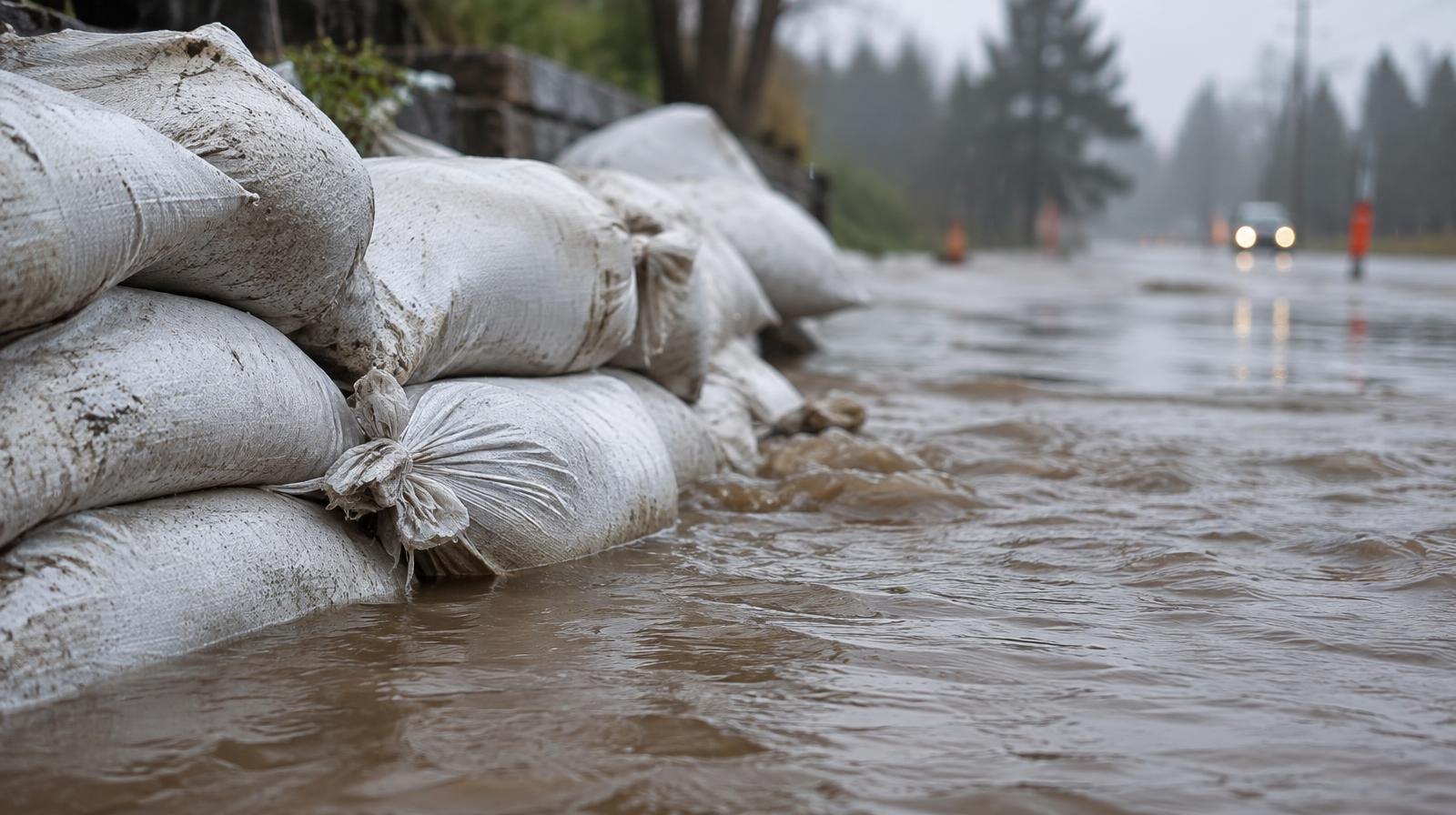
Everett and Snohomish County residents in flood-prone areas should sign up for emergency alerts and prepare now for a wet winter, county officials said in a resource guide published Oct. 26.
The National Weather Service forecasts warmer-than-average temperatures and above-normal precipitation across the Pacific Northwest from December 2026 through February 2027. The pattern is driven by El Niño, which shifts the jet stream southward and tends to bring wetter winters to western Washington. Gizmodo reported that forecasters are calling it a "super" El Niño year. The last super El Niño, in 2015-16, produced a wetter-than-normal winter in the region, according to My Everett News.
The stakes are real. Ken Graham, director of NOAA's National Weather Service, said in the agency's October outlook briefing that too much precipitation on dry soil "can fuel destructive flash floods and mudslides," as reported by Gizmodo. My Everett News described flooding in December 2025 as "a wake up call" for the county.
Five county departments contributed to the new guide: the Department of Emergency Management (DEM), the Department of Conservation and Natural Resources (DCNR), the Health Department, Planning and Development Services (PDS) and Public Works.
What to do now
The county says residents should take three steps before flood season:
Know your area. Use the Snohomish County Hazard Viewer to search by address and see whether a property sits in a river floodplain. The viewer also shows earthquake faults, landslide history and wildfire risk.
Have a plan. Map alternate routes in case roads flood and you cannot get in or out of your neighborhood. Build an emergency kit.
Stay informed. Register for SnoCoAlerts to receive emergency notifications by phone. Bookmark the Snohomish County Public Safety Hub at snoco.org/safety for real-time guidance, maps and flood forecasts during a disaster.
Insurance and property help
Most homeowner and renter insurance policies do not cover flooding, the county warned. The National Flood Insurance Program (NFIP) offers coverage based on a property's flood risk. Residents can check FEMA's Flood Insurance Rate Maps to see their property's flood zone.
Property owners planning to build, repair or retrofit a home in a flood hazard area can call PDS at 425-388-3311 for permit requirements. PDS staff can advise on construction methods to reduce flood damage.
During a flood
Residents can monitor real-time river depths and rain gauges through the county's Real-Time Flood Information System. The tool lets users subscribe to email and text alerts when river levels at individual gauge stations enter or exit flood phases.
To report clogged drains or culverts, call Snohomish County road maintenance at 425-388-7500, Monday through Friday, 8:30 a.m. to 5 p.m. After hours, call 911. The county's online road closure map is updated weekdays from 7 a.m. to 4:30 p.m. and may be updated after hours during stage-3 or higher flood events.
Livestock owners can access free emergency stabling at Evergreen State Fair Park during a flood or other qualifying emergency.
Scott North, public information officer for the county's Department of Emergency Management, is the county contact for flood-related questions and can be reached at 425-388-5373.