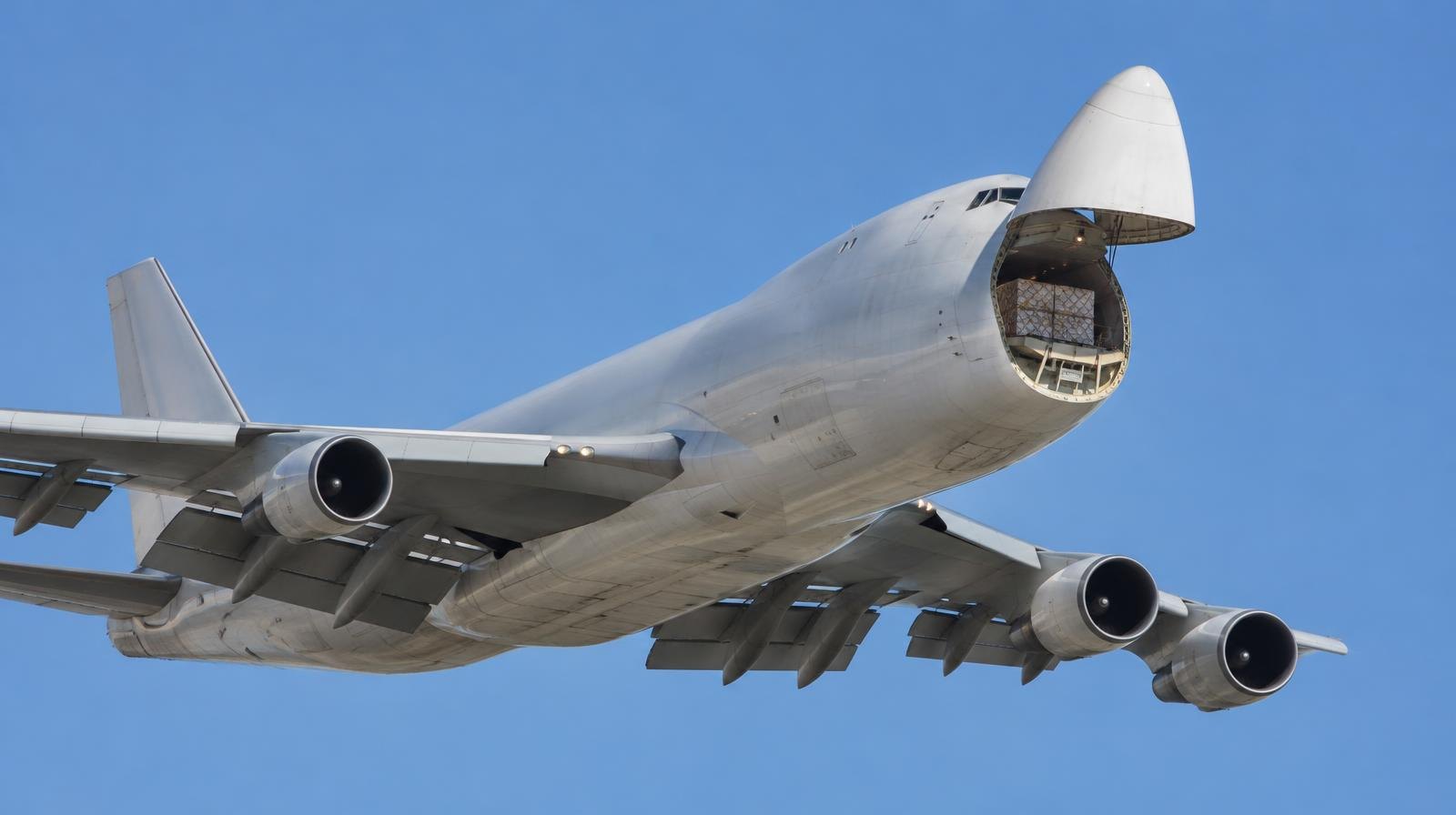
Boeing's Everett plant builds 777 freighters and 767 cargo jets, and the company's latest forecast projects global demand for nearly 3,000 new and converted freighters over the next 20 years.
The aerospace manufacturer released its 2026 World Air Cargo Forecast on Wednesday, Oct. 28, at The International Air Cargo Association's (TIACA) Air Cargo Forum in Miami, according to a Boeing press release.
The biannual forecast projects air cargo traffic will double by 2045, pushing the worldwide freighter fleet from 2,395 airplanes in 2025 to 4,010.
That is a 67% increase.
Boeing names AI hardware shipments, e-commerce growth and supply-chain diversification as the forces reshaping air cargo.
The International Air Transport Association (IATA) reported that more than 70% of AI-related goods were transported by air in 2025, Boeing said.
The forecast projects operators will need 2,930 new and converted freighters through 2045. About 55% of those deliveries would add fleet capacity, while roughly 45% would replace older aircraft, according to the forecast.
Converted passenger jets would account for two-thirds of deliveries, with new-production freighters making up the rest.
The current new-build freighter market includes the Boeing 777F and the upcoming Boeing 777-8F, AeroTime reported.
The forecast does not break down how many of those freighters would be built at any specific facility, including Everett.
The long-term demand picture sits alongside a near-term production problem.
A dispute between Boeing and Florida-based supplier Vaero over a critical wing component called the trailing-edge rib kit stalled 777 freighter production at the Everett facility for nearly two months, MyNorthwest reported, citing court filings obtained by Reuters.
The disruption cost Boeing about $6.5 million per day, according to that report.
Boeing's 767 aircraft and KC-46 military tanker lines were also affected.
Boeing removed two partially assembled 777 freighters from the final assembly line because of missing parts, MyNorthwest reported, citing a Boeing worker who spoke to Reuters. The companies reached a settlement in September, but 777 freighter production had not resumed as of the Reuters report. Boeing is working to bring production of the trailing-edge rib kit in-house.
The 777X program, which uses composite wings, is not affected.
Globally, air cargo traffic hit a record in 2025, growing nearly 5% year over year despite trade disruptions, Boeing said. Airlines with freighter operations accounted for about 90% of air cargo industry revenue of approximately $170 billion that year.
Boeing projects 3.5% annual air cargo traffic growth over the next two decades, outpacing long-term economic and trade growth.
"As global trade patterns change and demand for time-sensitive, high-value goods grows, dedicated freighters will remain essential to global commerce," said Darren Hulst, Boeing vice president of Commercial Marketing.
Trade routes touching Asia are expected to lead growth and represent about 60% of the global market. Express and time-definite delivery operators are projected to carry nearly 25% of global air cargo traffic by 2045.