Six to 12 doctors a year will train in Everett's shelters and mobile clinics under a $2.5 million federal grant aimed at treating the city's growing homeless population.
The Health Resources and Services Administration (HRSA) awarded the five-year grant to the WSU Internal Medicine Residency Program, a partnership between Washington State University's Elson S. Floyd College of Medicine and Providence Regional Medical Center Everett.
It is the program's first federal grant, myeverettnews.com reported.
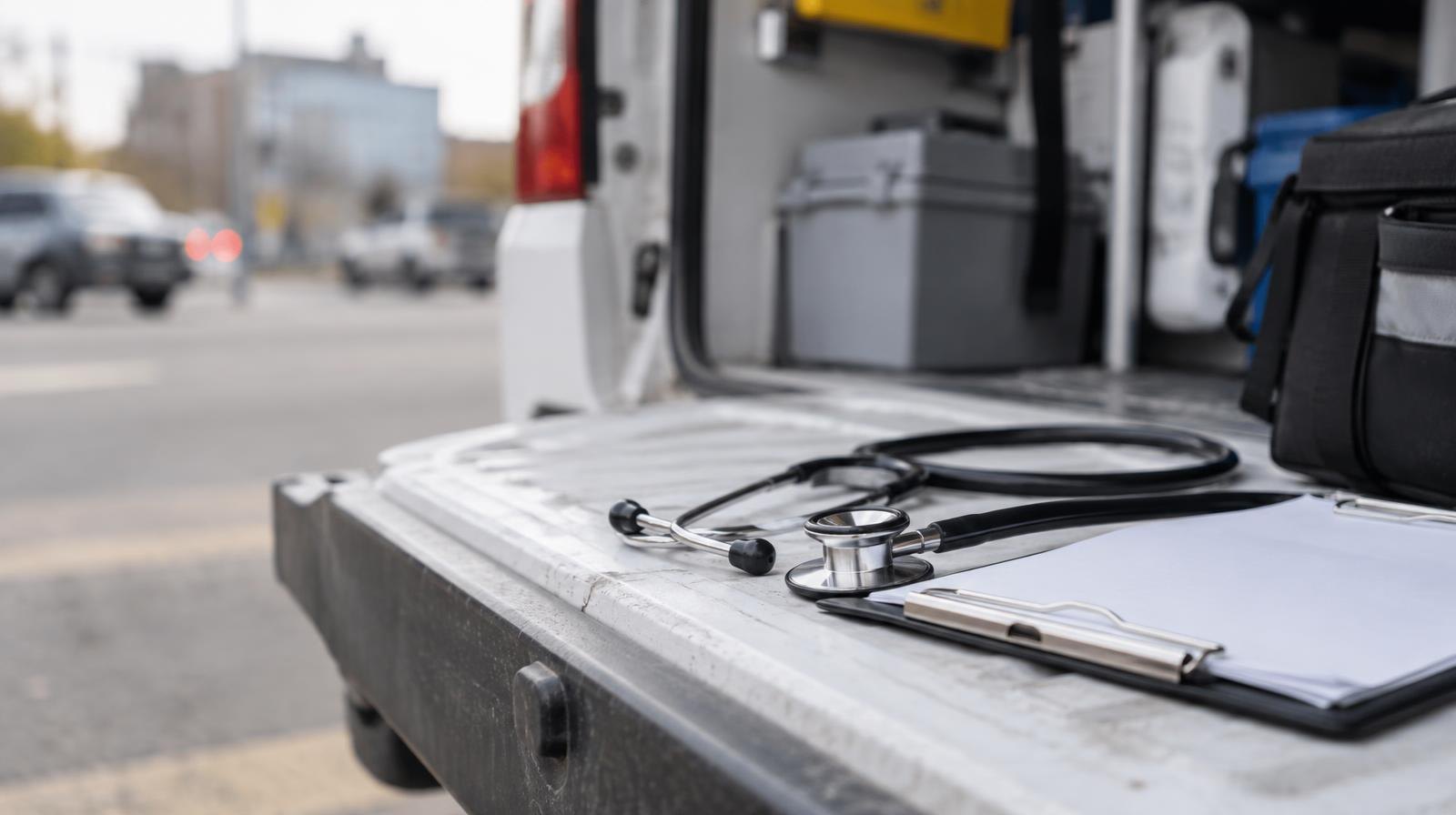
The money will create street medicine rotations in Everett and Spokane. In Everett, resident physicians will provide care through Mercy Watch's mobile medical van, treat patients at Conquer Clinics' Health Engagement Hub and join Compass Health teams that bring behavioral health services to people who have difficulty reaching traditional clinics.
Dr. Delaney Goulet, associate program director of the residency program, said doctors who visit patients where they live see barriers firsthand. "You truly see the barriers and social determinants of health they face, like not having refrigeration for medications or transportation to pharmacies" Goulet said.
The grant arrives as Snohomish County grapples with rising homelessness and opioid deaths. The county's point-in-time count found 1,161 people experiencing homelessness in January 2024, a 35% increase from 858 in 2018, according to Snohomish County Human Services.
Opioid overdose deaths in the county nearly tripled between 2017 and 2023, according to WSU.
Dave Lawson, interim chief executive of Providence Regional Medical Center Everett, said the grant will provide resources for unhoused residents and help reduce hospital length of stay.
Dr. Matthew Hansen, the residency program's director, said exposing trainees to street medicine early makes them more likely to practice it throughout their careers. That broadens the program's long-term impact on the community, Hansen said.
The Everett residency program opened in 2021 to train doctors for rural and underserved communities. Its primary care clinic started as a place where hospitalized patients without a regular doctor could get follow-up care after discharge. Many of those patients live in shelters, vehicles or other temporary settings.
The street medicine program is being developed with the Snohomish County Health Department, Community Health Center of Snohomish County, CHAS Health, Compass Health, Mercy Watch and Conquer Clinics. Dr. Elizabeth "Izzy" Westling, a core faculty member who served as the grant's principal investigator, led the application, according to WSU.
The stakes are high. Goulet said the program will study whether bringing preventive care directly to homeless residents can reduce hospital visits, building a case for continuing the work after the five-year grant ends.