Snohomish County homeowners who lost tax documents when the Snohomish River hit its highest level in recorded history last December have a step-by-step path to reconstruct those records and claim casualty losses on their federal returns.
The Internal Revenue Service (IRS) issued Tax Tip 2026-67 on Sept. 2, advising Washington taxpayers affected by wildfires and floods that they can piece together enough documentation to file returns, claim losses and apply for aid.
The Lynnwood Times first reported on the guidance's local implications Sept. 12.
For Everett residents and others along the Snohomish River corridor, the timing is critical. Flood-related IRS filing extensions expired Aug. 5.
Unlike wildfire victims in eastern Washington who have until Feb. 1, 2027, to file, flood victims have no remaining deadline cushion. Reconstructing records is the main tool they have left to support casualty-loss claims, insurance payments and any remaining federal or state assistance.
What happened in December
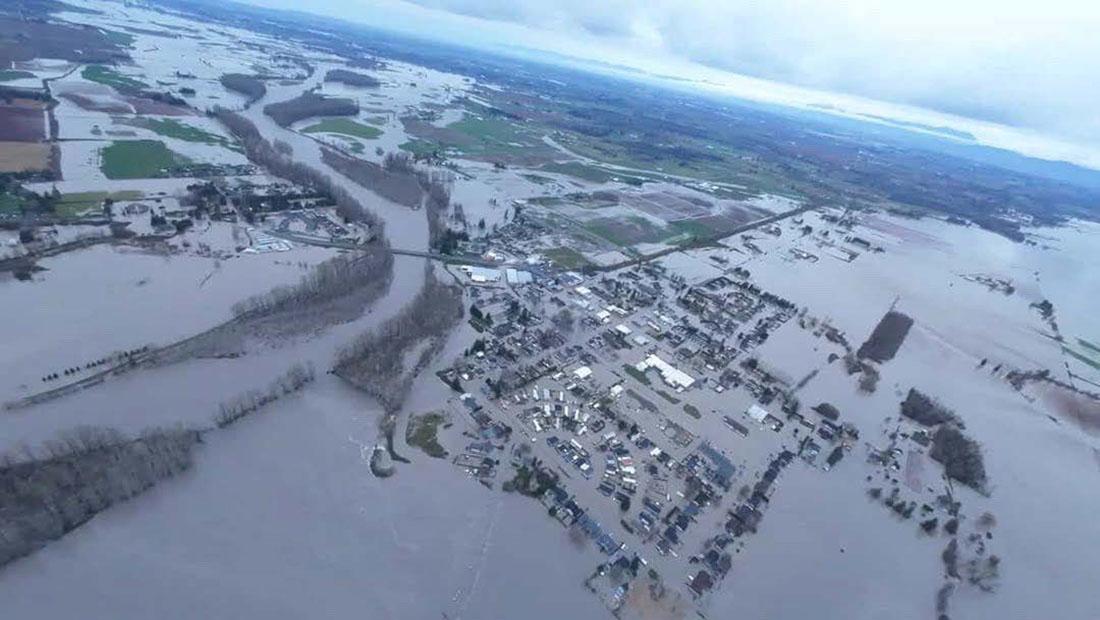
A series of atmospheric rivers hit Western Washington for about two weeks in December 2025. The Snohomish River reached its highest level in recorded history, according to Gov. Bob Ferguson's major disaster declaration request.
Statewide, roughly 3,891 homes were damaged and 440 were destroyed or sustained major damage. The storms caused one fatality, prompted 383 emergency rescues and forced about 1,000 assisted evacuations.
President Trump approved a major disaster declaration April 11, unlocking Federal Emergency Management Agency (FEMA) individual aid for Snohomish County and nine other counties, the Auburn Reporter reported.
"Federal assistance is essential to help Washingtonians recover from these historic floods," Ferguson said in his January 2026 request to the president.
How to get replacement records
The IRS says a tax-return transcript is usually the most useful replacement after a flood. Taxpayers can:
- Sign in to an Individual Online Account at irs.gov to view, print or download transcripts.
- Use the IRS Get Transcript tool online or call 800-908-9946. Mail delivery typically takes five to 10 days.
- File Form 4506-T for a transcript or Form 4506 for a copy of a return.
Beyond transcripts, the agency recommends gathering bank and credit-card statements, photos and videos taken before or after the disaster, contractor invoices, title-company files, county assessor records and dealer contracts. Homeowners who remodeled should ask contractors for written proof of work and cost. The IRS publishes Publication 584, a room-by-room inventory workbook for households, and Publication 584-B for businesses.
Claiming casualty losses
The IRS guidance advises disaster victims that uninsured or unreimbursed losses may be deductible. Victims can elect to claim the loss on the return for the disaster year or the prior year. Qualified disaster-relief payments covering necessary living expenses and home repairs are generally excluded from income, according to the guidance.
What's next
Snohomish County residents seeking broader federal disaster aid can visit DisasterAssistance.gov or call 800-621-3362. The full IRS guidance is available on the agency's disaster record-reconstruction page.