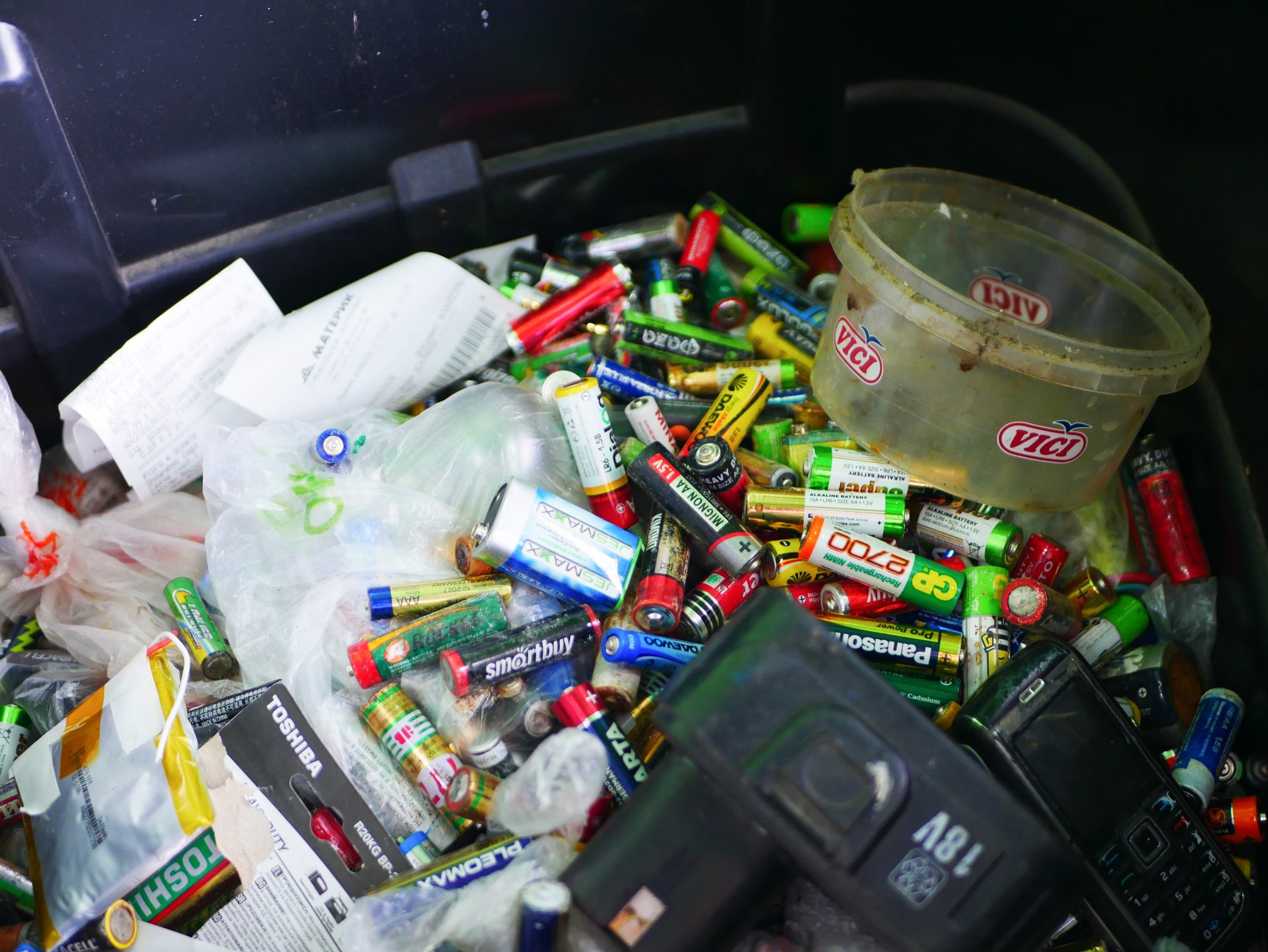
Everett residents who toss old rechargeable batteries in the garbage are fueling a growing fire problem. Snohomish County Solid Waste estimates 18 fires have ignited in 2026 at its garbage trucks and transfer stations, all linked to improperly discarded batteries.
"We have a one to two fires each month at our facilities. I think we've had 18 fires at our facilities this year. It happens frequently," Jon Greninger, Snohomish County Solid Waste operations manager, told the Everett Post.
Battery fires are now the leading cause of blazes at county solid waste facilities and inside curbside collection trucks, according to Greninger. Both Waste Management and Republic Services, the two private haulers serving Everett-area homes, have reported fires in their vehicles tied to batteries thrown in the trash.
The danger comes from lithium-ion batteries found in phones, laptops and e-scooters. When crushed or punctured inside a compactor or truck, the batteries can undergo "thermal runaway," a fast, unstoppable self-heating chain reaction triggered when internal heat rises faster than it can escape from the flammable liquid chemicals inside.
$40,000 per container
A single replacement garbage container costs about $40,000. Recent fires have primarily hit containers packed with compacted trash. While many damaged containers can be repaired, every fire forces crews to shut down part of the facility so firefighters can work.
"When a fire happens at a transfer station, you've got all this fuel around it," Greninger said, describing how 30 tons of compacted garbage in a container can block crews from reaching the fire to suppress it.
Depending on size, a fire can interrupt transfer station operations for minutes or hours.
Snohomish County Public Works flagged the hazard publicly on June 8, warning on X that punctured batteries at its facilities can start fires and produce toxic smoke dangerous to staff and first responders.
Free drop-off in Everett
Every county solid waste facility offers free battery recycling. Two locations serve Everett residents directly:
- Airport Road Recycling and Transfer Station, 10700 Minuteman Dr. Open daily, 7 a.m.–4:30 p.m.
- Household Hazardous Waste Drop-off, 3434 McDougall Ave. Open Wednesday–Saturday, 8 a.m.–4 p.m.
Batteries that must be recycled, not trashed, include lithium-ion, nickel-metal hydride, nickel cadmium, small sealed lead acid and single-use alkaline batteries (AAA, AA, C, D, 9V).
Greninger also warned against tossing small green propane canisters in the garbage. "Don't throw any of those away. Bring them here to the Haz Waste facility," he said.
What's ahead
A statewide battery stewardship program, created by the Legislature in 2023, will expand free collection sites beginning July 1, 2027, according to the Washington Department of Ecology. Until then, residents can search batterynetwork.org or call 1-800-RECYCLE for additional drop-off locations.
Signs a battery is dangerous: swelling, visible cracks, smoke, overheating or a burning smell. The county advises moving such batteries onto a non-flammable surface like sand or kitty litter and taking them to a hazardous waste facility immediately.