Everett shift workers and downtown commuters could reach 76,300 jobs within a 30-minute bus ride under a proposed consolidation of Everett Transit into Community Transit, up from 52,800 accessible jobs on the current system.
The city published its Transit Consolidation page on Tuesday, Aug. 11, formally committing to develop an Interlocal Agreement that would make Community Transit the sole bus operator in Everett. A draft ILA is expected in September, with public hearings and votes by both the Everett City Council and the Community Transit Board of Directors targeted for October.
No final decisions have been made. Both boards must approve any agreement.
What changes for riders
The consolidation would nearly double bus service in Everett. According to the Rethink Transit Study conducted jointly by the two agencies, the number of bus stops with at least 15-minute frequency would grow from 219 to 590 by 2036, as detailed in a recent Herald analysis.
The merged system would also add microtransit on-demand options and Bus Rapid Transit along the Broadway corridor, and connect riders to existing light rail in Lynnwood while preparing for the Everett Link extension.
Fares would eventually rise from Everett Transit's current $2 to Community Transit's $2.50.
The money
Community Transit can collect a voter-approved transit sales tax of up to 1.2%, double Everett Transit's current 0.6% rate. The increase would raise Everett's overall sales tax from 9.90% to 10.50% and generate an estimated $29 million annually for transit beginning in 2027, according to figures Mayor Cassie Franklin and Community Transit CEO Ric Ilgenfritz presented to the city's Transportation Advisory Committee on June 18.
That amounts to roughly $158.3 million in new transit revenue from 2027 through 2031.
The city currently faces a projected $15 million structural deficit in its general fund for 2027. Franklin has said money received from the merger, including compensation for Everett Transit's approximately $34 million in transit fund assets, could go toward parks, infrastructure or other city improvements.
Workers and opposition
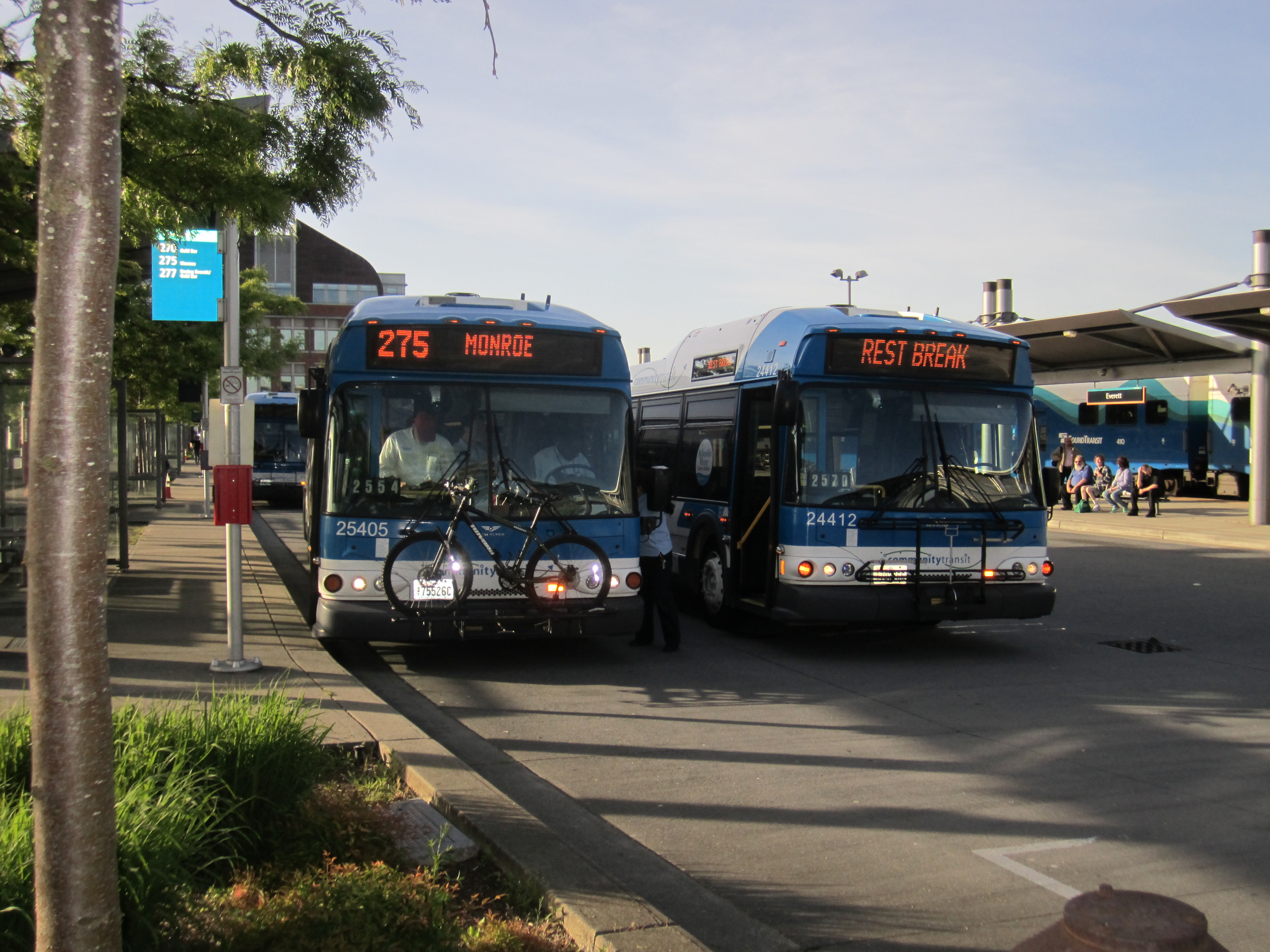
Everett Transit operates 48 buses and 25 paratransit vehicles with more than 160 employees. Federal law requires Community Transit to honor existing collective bargaining agreements and retain workers through the transition.
Amalgamated Transit Union Local 883 President Steve Oss and Everett Transit drivers have opposed the merger, calling for a public vote. Bus driver Keith Jacobson told the City Council at its Aug. 5 meeting: "Whenever transit wanted a sales tax increase, we did it the right way. We went to the citizens and asked. We made our case. They said yes. This time, the city is going out of its way to avoid asking the citizens what they want."
A 2025 state law, amended in 2026, allows the consolidation to proceed through an interlocal agreement without a public vote.
What's next
Franklin committed to bringing a plan forward only if it dramatically increases transit service, maintains paratransit levels and protects worker wages and benefits. As she told the Everett Herald in April when the consolidation talks resumed: "Better transit service is necessary. And I absolutely believe it's achievable with consolidation."
A public listening session is planned for August, though a specific date has not been announced. We reported Sunday on the broader merger timeline.