Only about 1 in 9 Snohomish County children under 6 received a blood lead test in 2025. The Snohomish County Health Department shared the figure in an alert for National Lead Poisoning Prevention Week, which runs through Saturday, Oct. 31.
The gap matters in Everett, where contaminated soil from the former Asarco smelter still poses a risk to young children.
The health department has partnered with low-income families, child-care providers and early learning organizations in the former Everett Smelter Site area to encourage caregivers to request lead tests from their children's doctors.
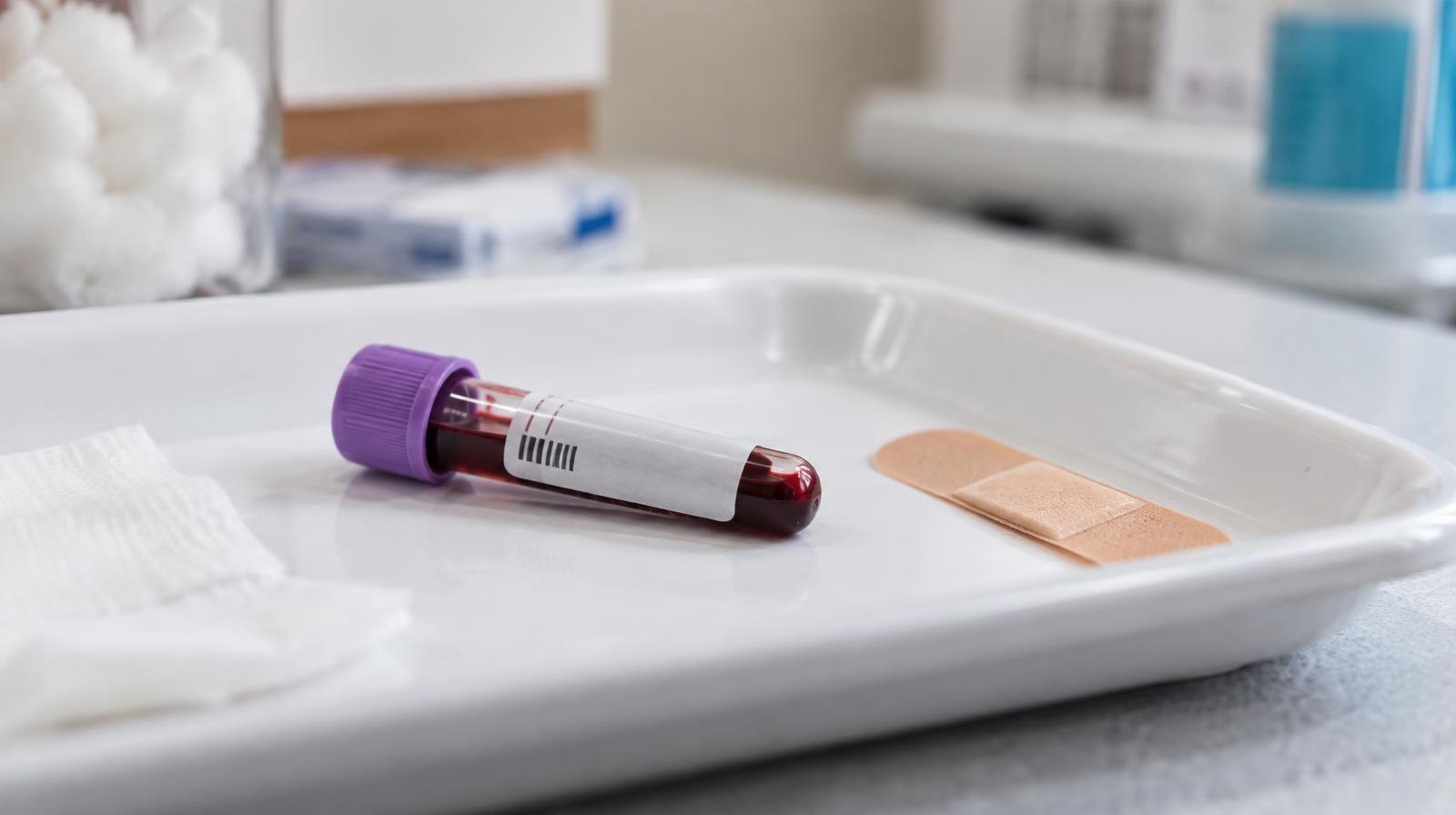
A blood test is the only way to detect lead in a child's body, according to the health department.
"We have been doing a lot of work to raise awareness with health care providers to offer testing," said Katie Curtis, Prevention Services Division Director at the Snohomish County Health Department.
Testing rates have climbed. The county's rate for children under 6 rose from 3.3% in 2020 to 11.7% in 2025, higher than the state average, according to the health department.
Still, that means roughly 8 out of 9 young children in the county went untested in 2025.
A lower threshold, adopted statewide
In 2022, Snohomish County became the first county in Washington to begin public health follow-up at a blood lead level of 3.5 micrograms per deciliter.
The state Department of Health lowered its own action level to match on Feb. 5, 2026, down from 5 micrograms per deciliter, according to the county's blood lead testing page.
The Centers for Disease Control and Prevention (CDC) uses 3.5 micrograms per deciliter as a reference value to trigger public health action. The CDC says it does not represent a safe threshold.
Smelter contamination lingers in Everett
The Asarco smelter operated in Everett from 1894 to 1912, according to the Washington Department of Ecology.
Contamination was not discovered until 1990, when a local company found arsenic and lead in the soil and groundwater, according to the health department's smelter page.
The site includes an industrial area along the Snohomish River, with residential, light commercial and recreational land in the upland portion, according to Ecology.
The Department of Ecology managed cleanup of the most contaminated areas from 1999 to 2007. That work stopped due to lack of funding.
In December 2009, the state received a $188 million bankruptcy settlement from Grupo Mexico, which brought Asarco out of bankruptcy. The state set aside $44 million for the Everett smelter site cleanup. The cleanup plan calls for removing contaminated soil from residential yards, replacing it with clean soil and restoring landscaping.
Who should get tested
All children enrolled in Medicaid must receive blood lead screening at 12 months and 24 months of age. Any child between 24 and 72 months old with no record of a previous test should also receive one, according to the health department.
The department also recommends testing for children with risk factors such as anemia, behavioral concerns, developmental delay or pica behavior, which involves repeatedly eating non-food items. Testing can be done through a finger prick or a blood draw.
A 2022 community survey by the health department found 76% of respondents reported little to no knowledge about lead and children. About 66% had no knowledge of lead sources in the county.
Homes built before 1978 may contain lead paint. The health department advises hiring a certified lead inspector or lead-safe contractor before remodeling.
Families can reach the county's Childhood Lead Poisoning Prevention Program at 425-258-8401.